
Invisible braces
Invisible orthodontics is an innovative treatment method that has revolutionised the field of dentistry. It allows orthodontic treatment to be performed without the need to wear traditional appliances that are visible from the outside.

Painless, invisible and fast orthodontic treatment
Instead of the traditional appliances, invisible orthodontics uses transparent, custom-made appliances to correct the alignment of the teeth. This treatment method has become extremely popular because it offers a discreet and comfortable solution for people who want to improve the position of their teeth without having to wear metal appliances.
Learn more about Spark Aligner and BioAligner-System
Spark™ Aligner
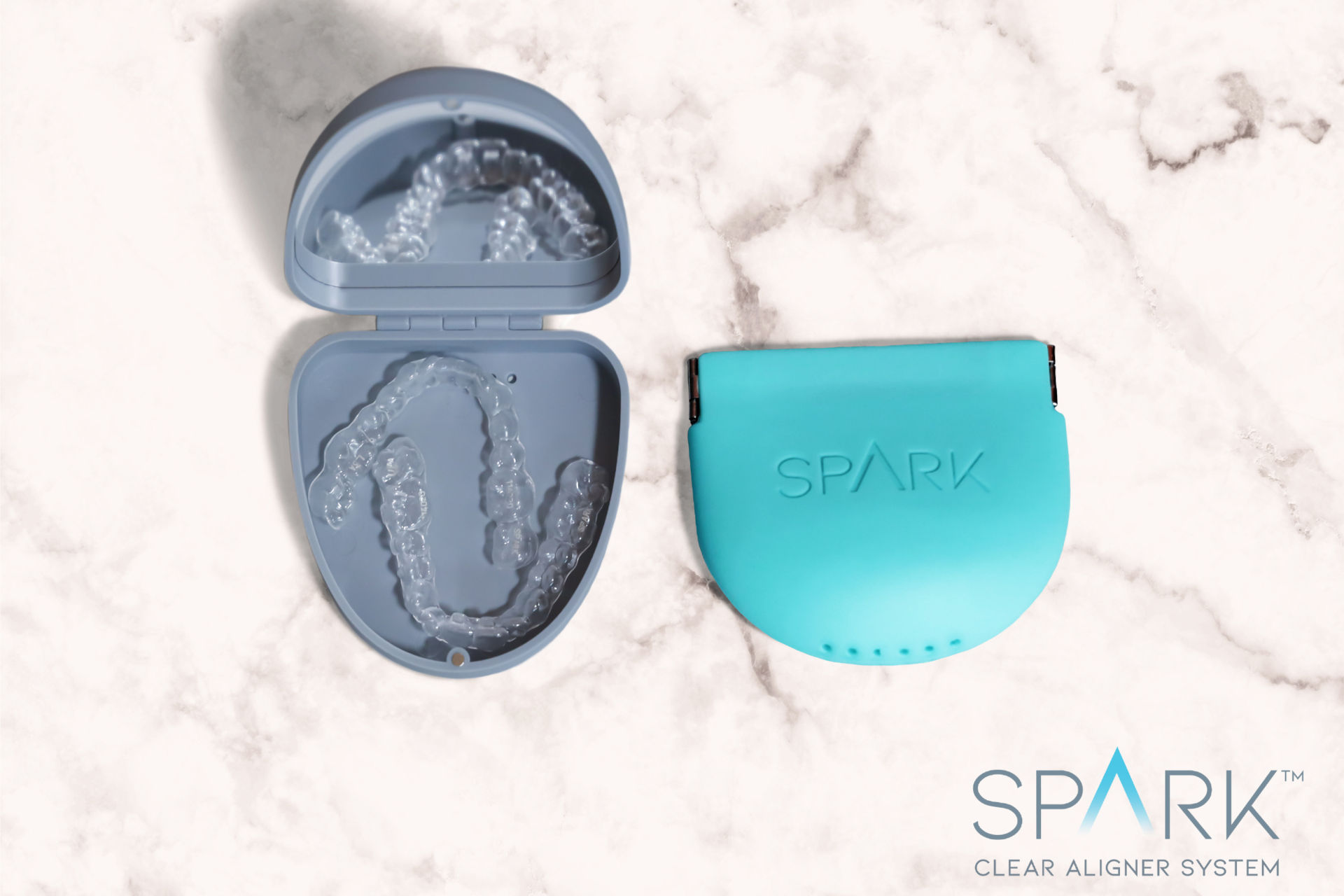
What makes the difference between Spark™ Aligner and other brands?
More invisible
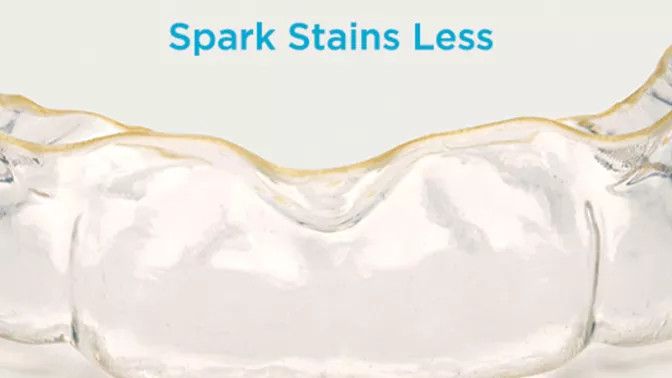
SPARK™ is a virtually invisible type of braces trusted by orthodontists worldwide. Plus, it’s more comfortable and less prone to discoloration than other leading brand aligners.


More convenient
SPARK™ transparent aligners are more comfortable to wear thanks to their innovative material (TruGen™) and rounded, smooth edges.
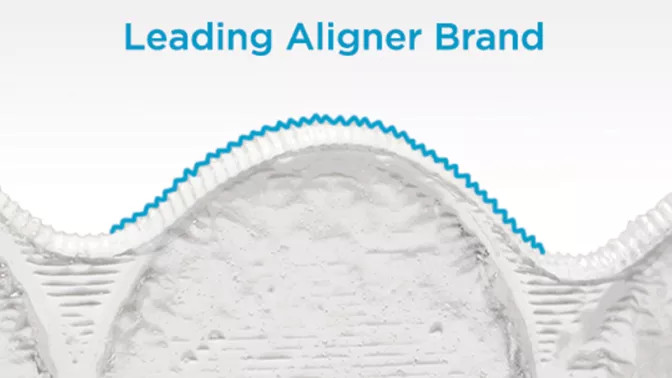
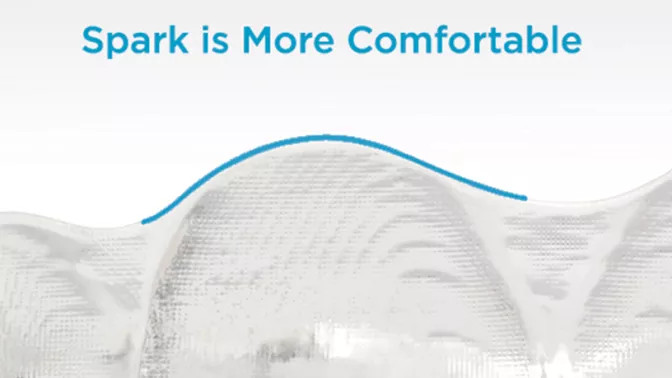
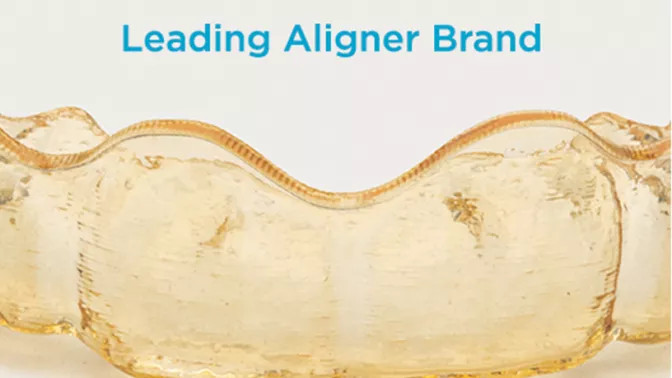
Less discolouration
TruGEN™ has been designed to be more transparent with minimal discolouration on the aligner compared to leading aligner brands.
For which orthodontic lesions can be Spark™ Aligner used?

Overbite
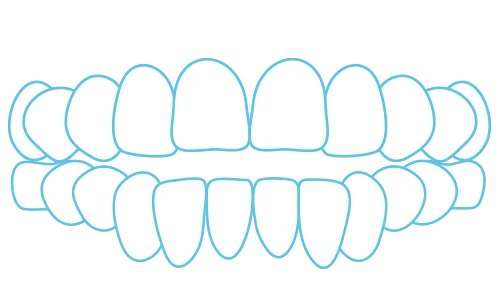
Openbite

Congestion
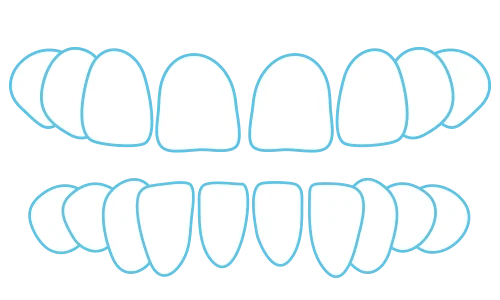
Tooth Cavity

Crossbite
If you have a similar problem, make an appointment!
The process of an orthodontic consultation

Dr. Eszter Pál
Orthodontist
Who will I have a consultation with?
I am Dr Eszter Pál, orthodontist. I graduated from Semmelweis University in 2015. I have been attracted to the field of orthodontics since I was a child. While getting my own orthodontic treatment I got to know the dental environment during the monthly adjustments.
During my university studies, I paid special attention to orthodontics, winning an apprenticeship and assisting in a private practice. During my residency I was introduced to several types of orthodontic systems, from traditional braces to active and passive self-ligating appliances. I also worked in private practice in England until 2023, where I immersed myself in the use of invisible splint orthodontic systems.
After trying out several techniques, I finally found the orthodontic appliances that allow me to provide my patients with the highest quality of care. I use only Damon™ braces as they are gentle on the teeth and bone structure, and minimise discomfort, allowing me to achieve a quick and stable result. As for braces with aligners, I use the American Spark™ Aligner system, which is more comfortable, less visible and more effective than the average aligner thanks to continuous development.
Frequently asked questions
Bioaligner
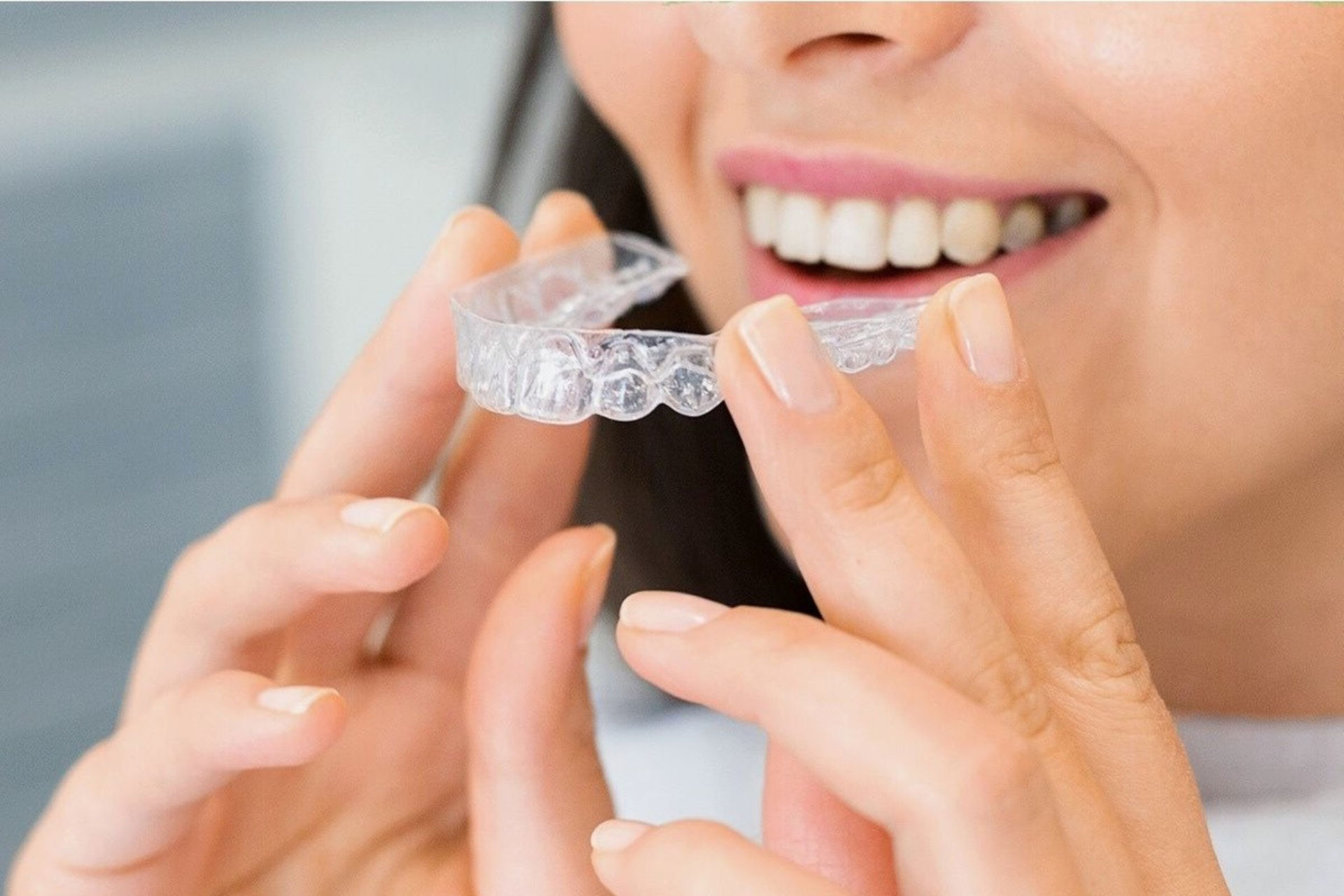
Invisible and removable: Positioning of the teeth can be achieved not only by appliances fixed to teeth, but also by removable appliances. These are rails pressed from transparent, thin, plastic foil which are virtually invisible and can be removed and replaced by one single movement.
3 dimensional design and printing: based on a sketch, the design is produced by using the most modern 3D computer program. The process of teeth movement from their initial position to the final stage can be viewed on videos on the internet from various directions, besides on images showing the steps one after the other, as well as in spatially rotating models. Based on the design the teeth models, containing teeth movements by increments of a few tenth of a millimetre, will be printed by a 3 dimensional printer and then the foils will be prepared by the laboratory.

Advantages
Invisible
Not perceptible to the observer from the outside.
Painless
Invisible braces do not require getting used to and do not cause any discomfort. Moreover, there are no accidents, (e.g. broken bracket, sharp wire) so there is no need for immediate medical intervention.
Great value for money
The aligners can be ordered individually or all at once.
Aesthetic
More aesthetic than any fixed appliance.
Predictable costs and installments
It can be calculated how long it will take until the next delivery of the new splints, how many splints will be needed and how much it will cost. So the orthodontic treatment of a patient who lives far away or is busy can continue without interruption.
Practical
It can be removed when needed (e.g. before eating, drinking, brushing teeth).
Disadvantages
Limitations
Adjusting a midline or occlusion is not possible alone with this method, but only with additional or preparatory treatment.
Requires cooperation
If you wear the splints less than recommended, the treatment will not progress. If you replace them more quickly, tooth movement may slow or stop.
Regression
If you do not wear the splint for a few days or weeks, the teeth will return to their original position.
Steps of the preparation process
1. Impression taking
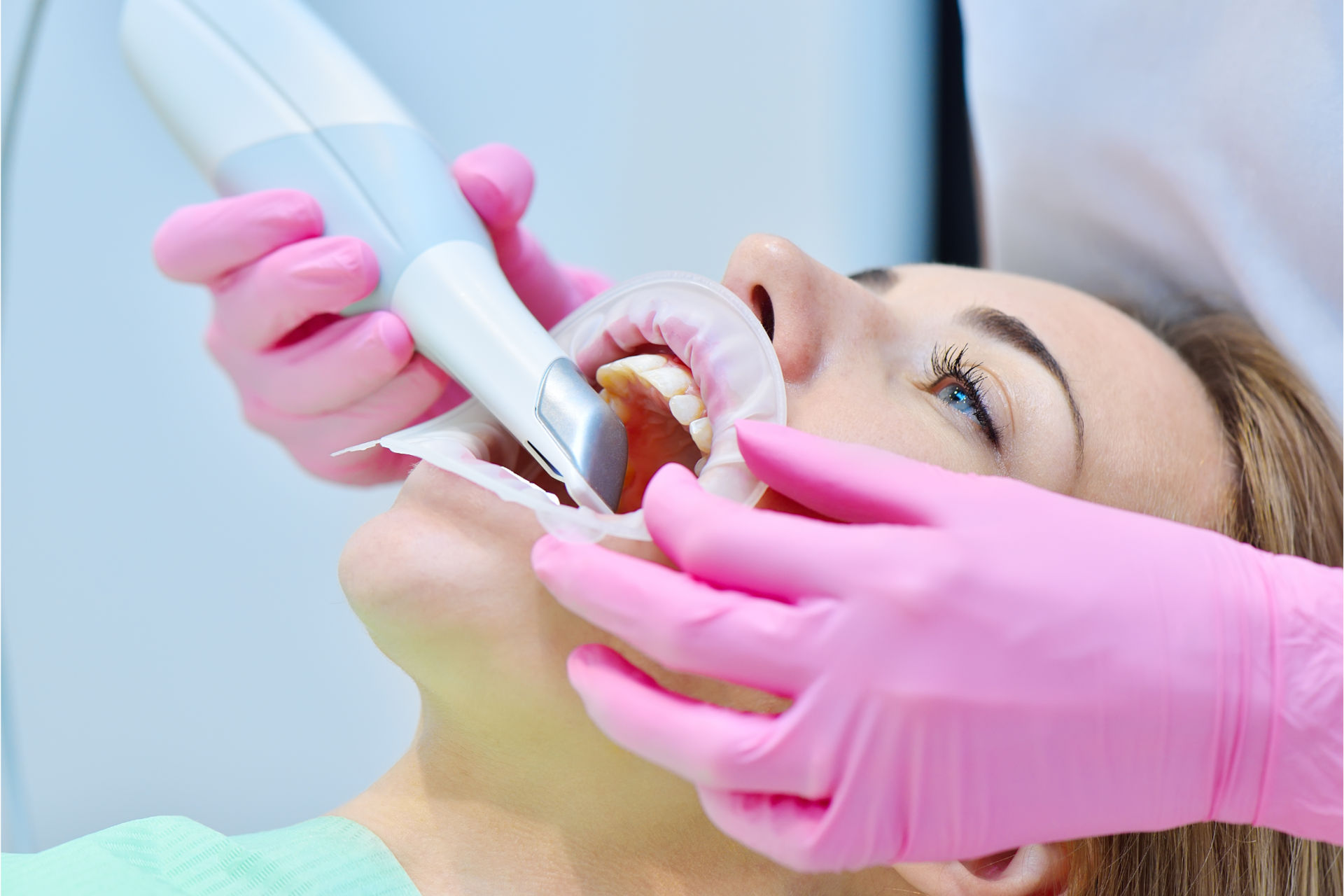
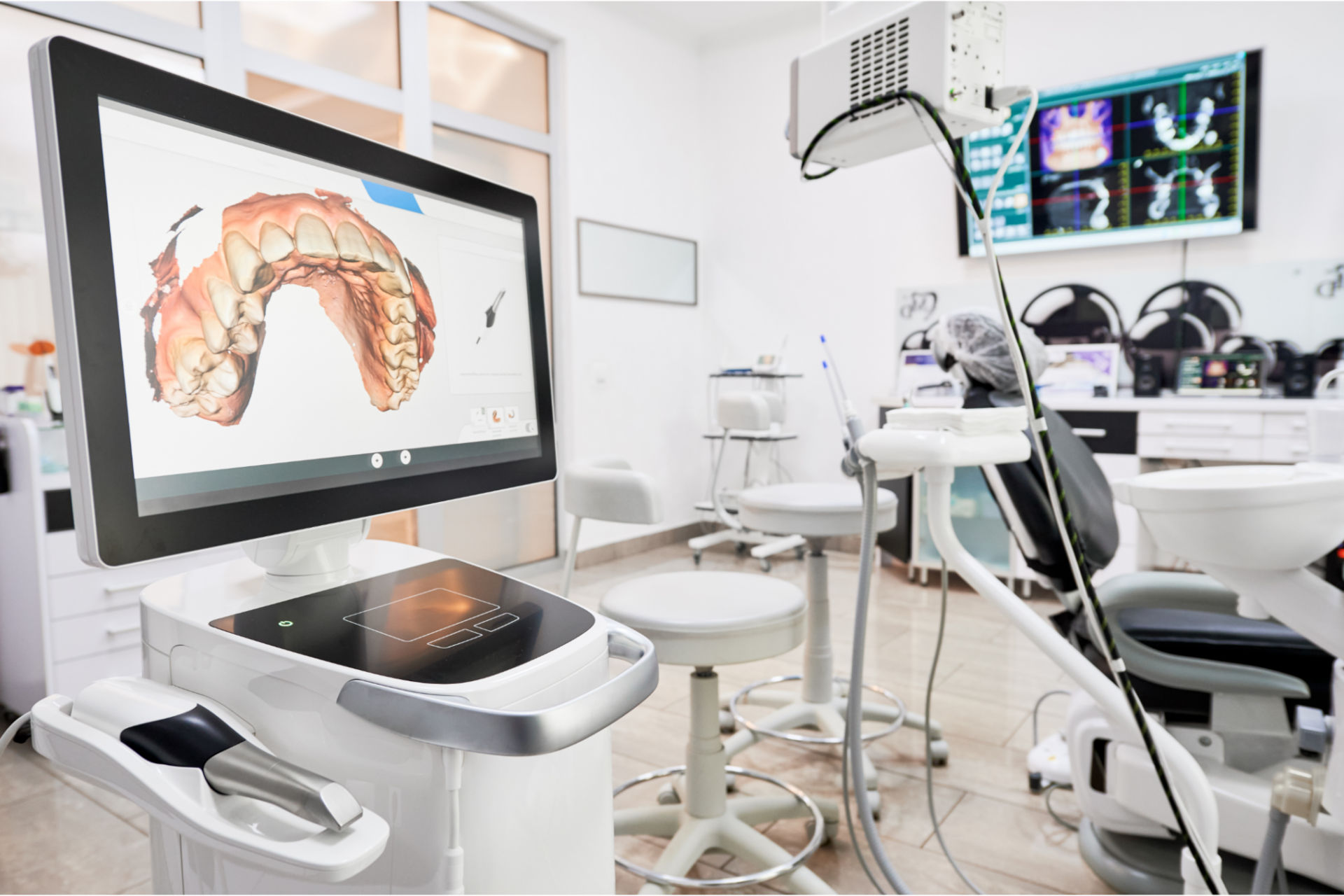
The doctor takes a digital impression using an intraoral scanner. This is a state-of-the-art technology that takes the impression from the dentition with 100% accuracy. The impression made with digital technology is sent by the doctor to the dental laboratory together with oral photos and panoramic X-rays.
2. Visual plan
Based on the digital impression and the treatment plan, the orthodontist creates the virtual plan using the most advanced spatial computer program known today. This shows, in the form of an animation that can be downloaded from the Internet, step by step how the teeth move into the desired position. The motion sequence can be checked using videos from multiple views, superimposed images and models that can be rotated in space. The library, which is stored in the cloud, can be viewed online or downloaded.
The plan can be changed after consultation with your doctor. If approved, the splints will be ready in about 1 week.
3. Manufacturing transparent rails
Once the virtual plan is completed and finalized after the doctor’s approval, the lab prints all the virtual samples on a 3D printer, which will lead to the desired outcome. Finally the rails are manufactured and the treatment can begin.
The treatment
Treatment time
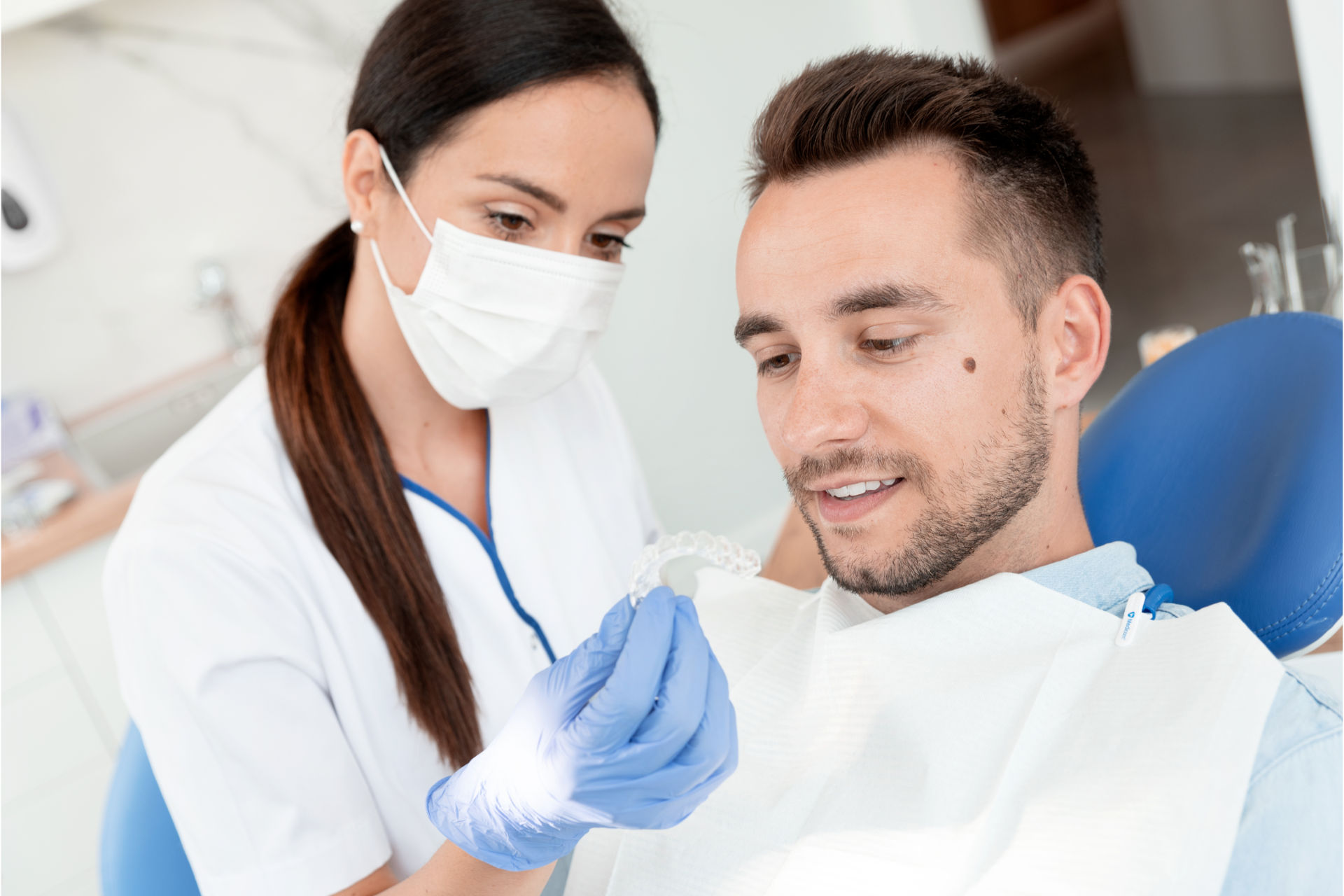
The treatment time, i.e. the number of splints, can vary from a few months to several months depending on the degree of irregularity of the teeth.
Time to wear the aligners
Although they can be removed and reinserted freely, unless the doctor orders otherwise, the rails must be worn for 20-22 hours a day. They can be worn for shorter periods of time, but when they are removed, the teeth are pulled back into their original position by the fiber network that holds the roots in place. The splints should be replaced every 2 weeks.
The fit of the trays
Each tray is actually a step towards the intended condition, so the trays may not fit perfectly on the teeth at first.
Insertion and removal
Initially, removal of the splints can be made easier by using an auxiliary tool to grip the sides of the splints.

Brushing and cleaning
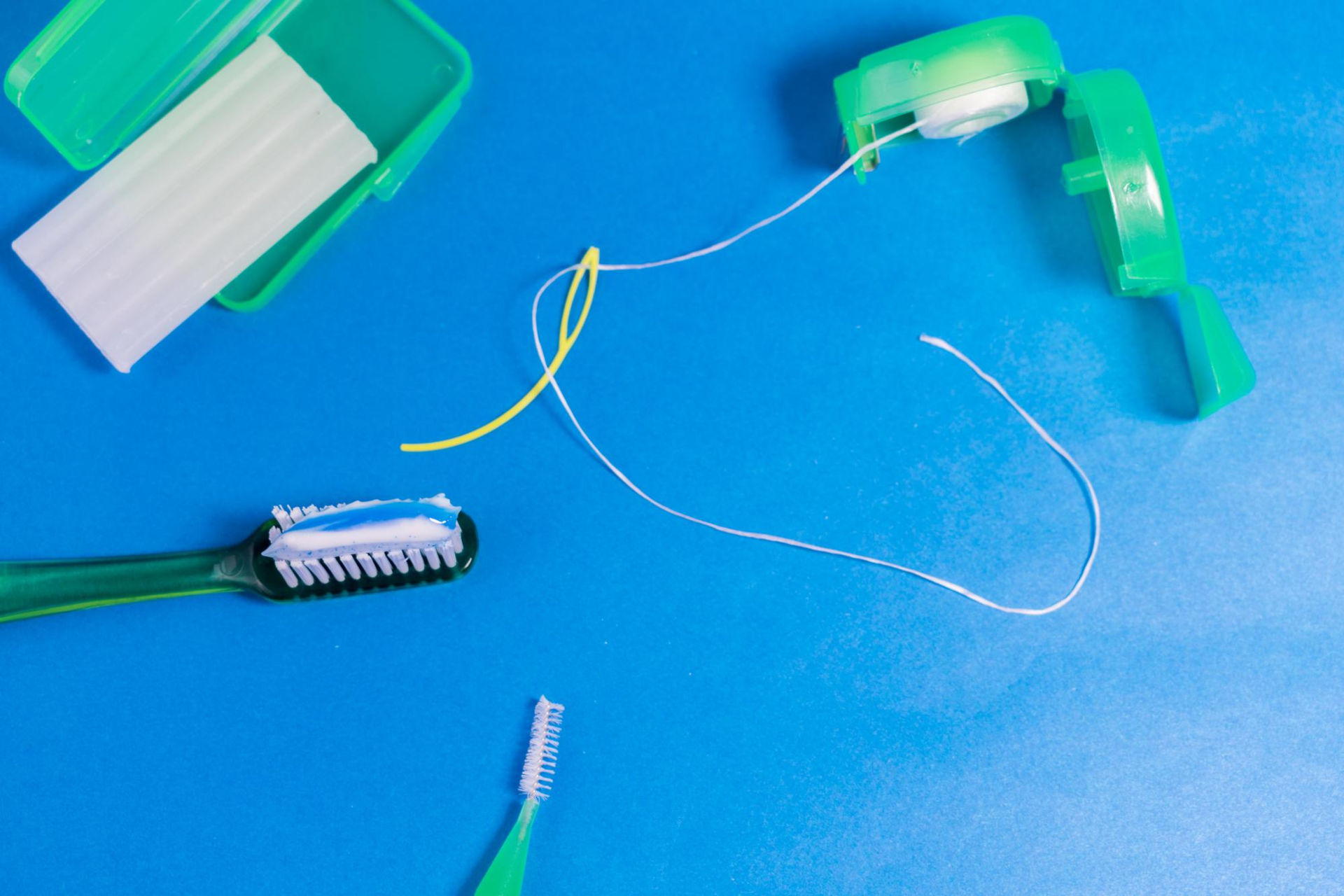
The splints must be removed before meals. After meals, a brief brushing is recommended before reinsertion. Clean the splint at least once a day with a toothbrush and toothpaste. To disinfect the braces, we recommend using a cleaning tablet (e.g. Corega), an aqueous solution of citric acid or baking soda (1 knife tip dissolved in a glass of water).